Displaced but not in despair: A Pastor’s life in Cameroon’s Red Zone
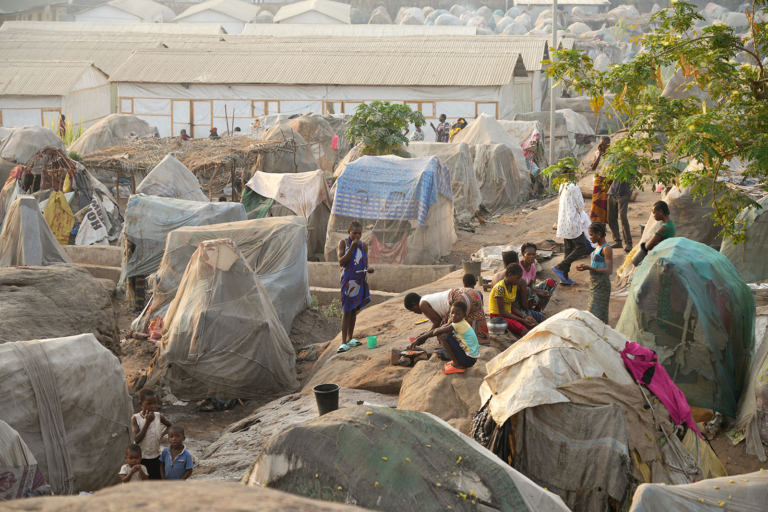
Many Christians who live in the Red Zone are either displaced or hiding in the mountains to safeguard their lives
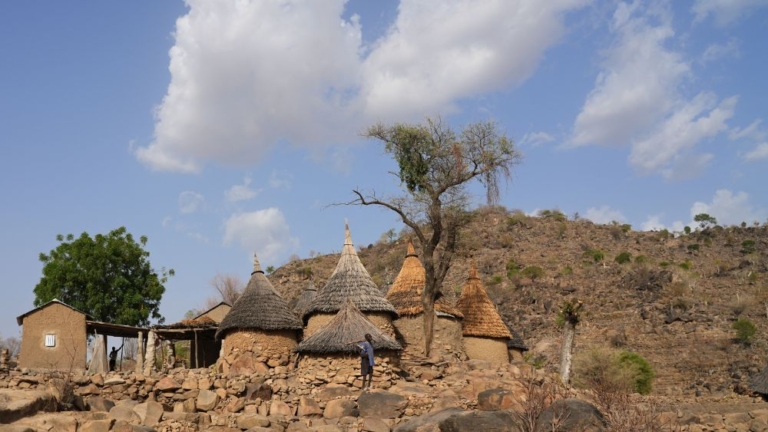
Many Christians who live in the Red Zone are either displaced or hiding in the mountains to safeguard their lives
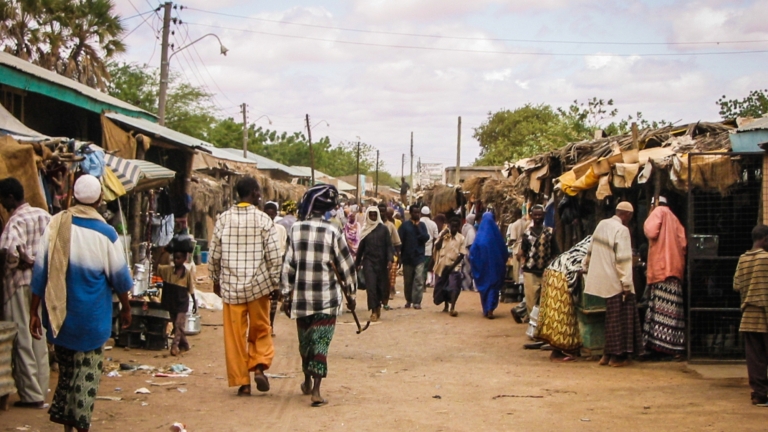
Since 2023, Somalia has consistently ranked second in the World Watch List, making it the country in Africa that faces the highest levels of religious persecution
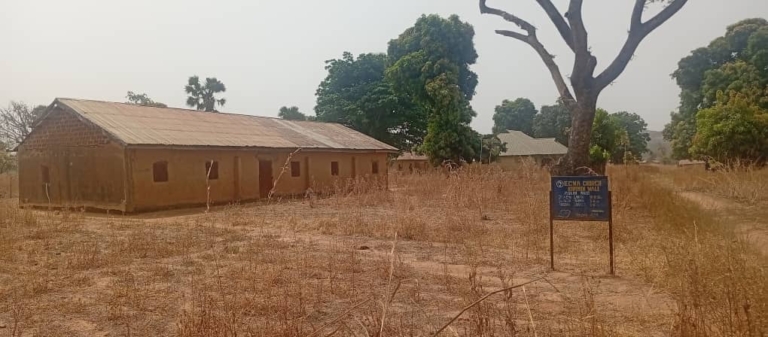
Multiple reports about the kidnapping of more than 170 worshippers have now been confirmed to be true after initial delays by state representatives
When militants massacred 200 people in the Nigerian village of Yelwata, the world called it a “resource clash.” The survivors call it something else: “They attacked us because we are Christians and won’t convert.” For years the religious targeting of Nigeria’s Christians has been downplayed or ignored. It’s time to listen to the victims.

If you were a civilian in Sudan, the past 2.5 years would have been years of unimaginable desperation as fighting between the Sudan Armed Forces and the rival Rapid Support Forces has continued unabated. Civilians have faced horrific violence. And while all are affected, Christians are even worse off because they live as an unwanted minority in their homeland. Nowhere is safe.

Militant violence across Sub-Saharan Africa is driving mass displacement and persecution, with Christians facing targeted attacks, trauma, and the threat of their communities being erased.
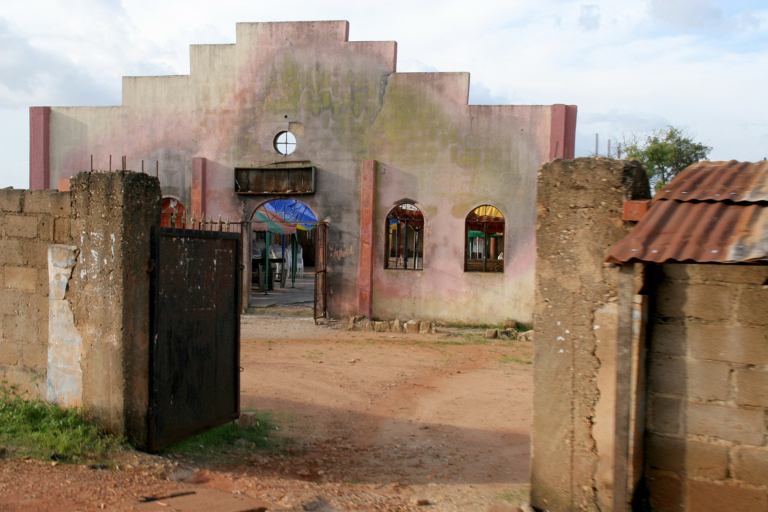
Insurgency across Sub-Saharan Africa is fueled by radical ideology, weak governance, and deep social fractures. Common drivers such as poverty, corruption, and climate stress have created fertile ground for extremism to grow.

One of the biggest concerns identified in the Youth Survey of 2024, is Safety and Security. According to the survey, three-in-five youths in Africa are confident in the government’s ability to deal with terrorism and insurgency.

When freedom of belief is ignored, intolerance takes root and divides societies. Africa’s youth have the power to change that story—by choosing respect, promoting understanding, and leading with courage to build a peaceful and united future.

Where freedom of belief is respected, societies flourish. Upholding FORB strengthens peace, good governance, and economic growth—building trust, inclusion, and stability. It is the foundation for the just and prosperous Africa envisioned in Agenda 2063.