Population
14,239,000
Religion
Islam (87.5%)
Christians
3.4%
Prayer points
Politics
State of Religious Freedom
Politics
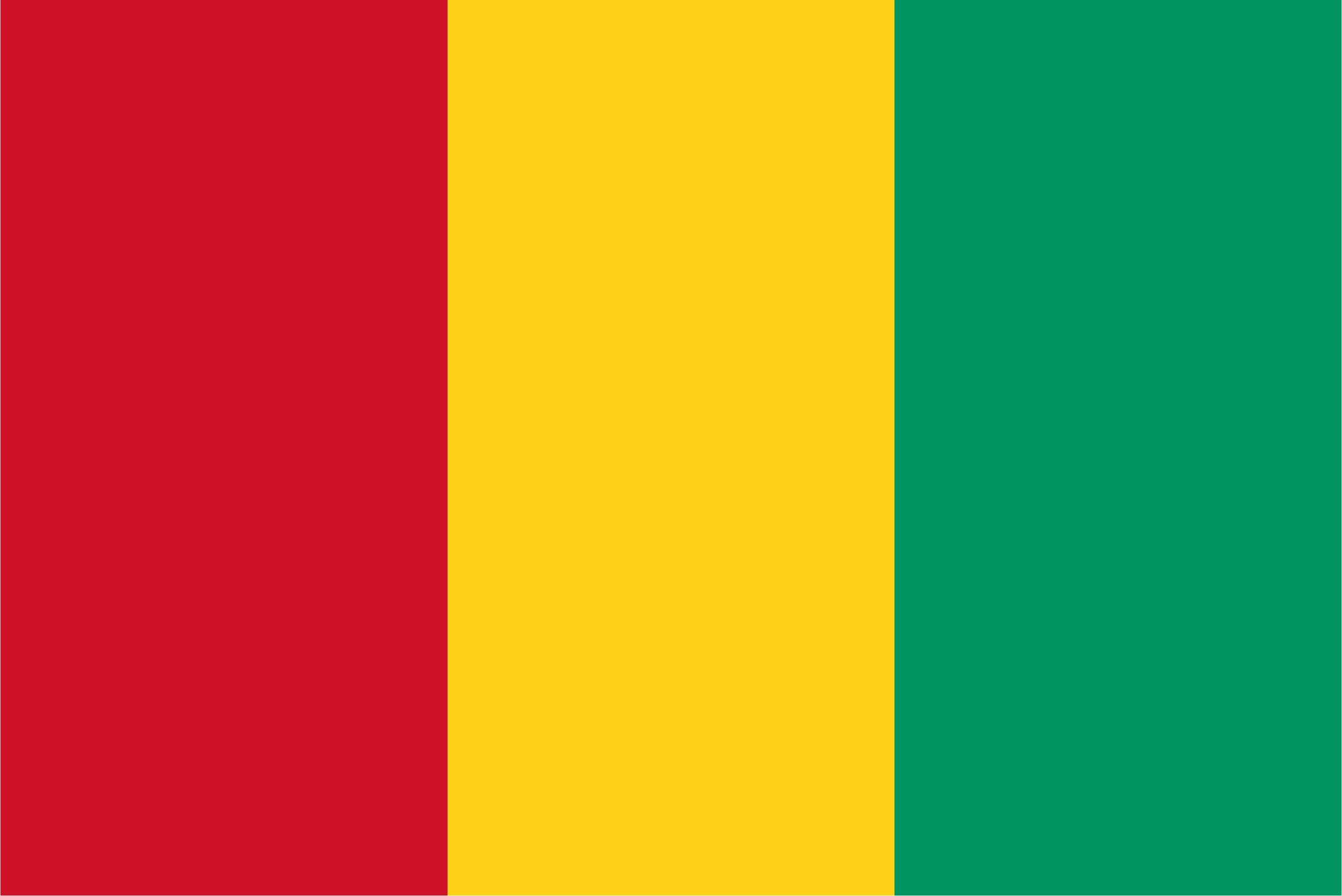
Guinea, under the name French Guinea, was a part of French West Africa until it achieved independence in 1958. It then was ruled successively by Sékou Touré (1958–84) and Lansana Conté (1984–2008), the latter of whom claimed power through a military coup. During the 1990s Guinea accommodated several hundred thousand war refugees from neighbouring Liberia and Sierra Leone, and conflicts between those countries and Guinea have continued to flare up over the refugee population. Following Conté’s death, a military junta took control of the country and suspended the constitution that had been adopted in 1991. Power was handed over to a freely elected civilian administration in 2010. The national capital, Conakry, lies on Tombo (Tumbo) Island and spreads up the Camayenne (Kaloum) Peninsula; it is the country’s main port. In Freedom House’s Freedom in the World 2023, Guinea is rated as ‘not free’. The report outlines the actions taken by the junta in Guinea during 2022. In January 2022, transitional President Mamady Doumbouya formed an 81-member National Transitional Council (CNT) tasked with creating a new Constitution and ushering in constitutional governance. However, no electoral framework has been put in place, and elections remain unscheduled. By May 2022, the junta-controlled government had effectively prohibited public protests. Despite this, the National Front for the Defense of the Constitution (FNDC) persisted in organizing large-scale protests advocating for a swift return to civilian rule, even in the face of aggressive suppression by security forces. In August 2022, the government officially disbanded the FNDC, arresting multiple leaders and functionaries who were awaiting trial at the end of 2022.
Of Christian Martyrdoms
are happening in Sub-Saharan Africa
Add your voice.
break the silence.
Out of every 10 Christians murdered for their faith across the world, nine are killed in Sub-Saharan Africa. Murder, torture and kidnapping are an everyday threat. Extremists want to destroy the church and are using unthinkable violence. The very survival of the church is at risk – unless we act.