Impact of the militant violence
Militant violence across Sub-Saharan Africa is driving mass displacement and persecution, with Christians facing targeted attacks, trauma, and the threat of their communities being erased.

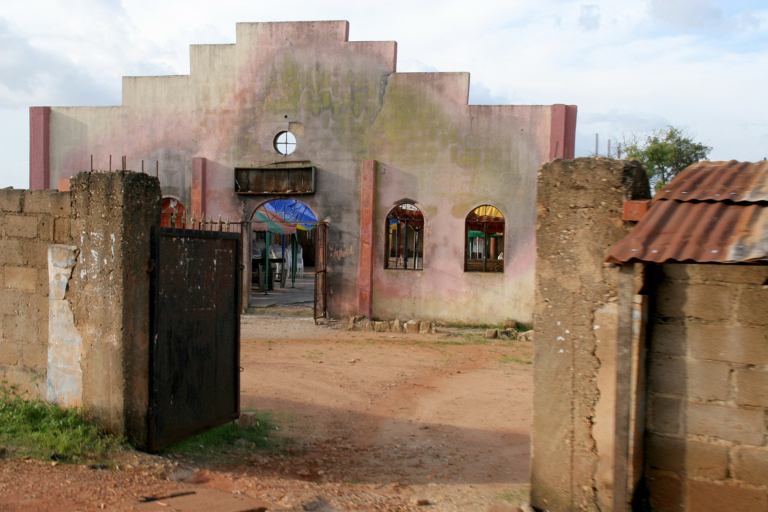
Militant violence across Sub-Saharan Africa is driving mass displacement and persecution, with Christians facing targeted attacks, trauma, and the threat of their communities being erased.
Insurgency across Sub-Saharan Africa is fueled by radical ideology, weak governance, and deep social fractures. Common drivers such as poverty, corruption, and climate stress have created fertile ground for extremism to grow.

One of the biggest concerns identified in the Youth Survey of 2024, is Safety and Security. According to the survey, three-in-five youths in Africa are confident in the government’s ability to deal with terrorism and insurgency.

When freedom of belief is ignored, intolerance takes root and divides societies. Africa’s youth have the power to change that story—by choosing respect, promoting understanding, and leading with courage to build a peaceful and united future.

Where freedom of belief is respected, societies flourish. Upholding FORB strengthens peace, good governance, and economic growth—building trust, inclusion, and stability. It is the foundation for the just and prosperous Africa envisioned in Agenda 2063.

Africa’s young people face immense challenges like corruption, unemployment, instability, and climate change, but overcoming these barriers will unlock the continent’s greatest potential for transformation and hope.

With more than 62% of Sub-Saharan Africa’s population under 25, the region stands at the heart of a global youth surge. This growing generation—nearly 200 million strong—is a vital resource with the potential to drive innovation, growth, and transformation across the continent if equipped with the right skills and opportunities.

The youth bulge represents not a crisis, but a remarkable opportunity. Today’s generation—digitally connected, diverse, and innovative—is reshaping economies, driving social change, and building bridges across cultures and borders.

Freedom of religion or belief (FoRB) is universally recognized in human rights law as the liberty of all individuals to hold, adopt, change, or renounce a religion or belief. It protects theistic, non-theistic, atheistic, and minority beliefs, as well as the right not to profess any belief