
Displaced but not in despair: A Pastor’s life in Cameroon’s Red Zone
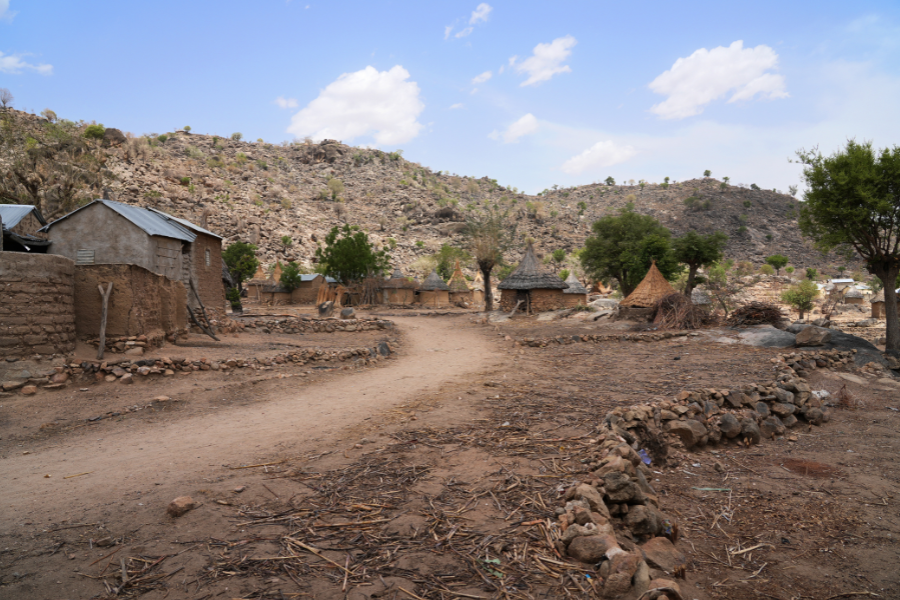
Every afternoon Christians in the Far North leave their village and trek up the mountains where they will sleep. In the morning they return, often finding that Boko Haram has looted and destroyed their village. The porous border between north-eastern Nigeria and northern Cameroon provides the terrorists with easy access to an area of Cameroon that is one of it’s most vulnerable and poorest.
Even before Boko Haram began attacking villages here, the area battled with violence, smugglers, traffickers and petty criminals that exploited the remote region and the state’s historic neglect of the region. This lawlessness, along with poverty, the geographical and cultural overlap between northern Cameroon and north-eastern Nigeria and the presence of an intolerant version of Islam, have made it easy for Boko Haram to infiltrate and attack civilians. Since 2014 almost half a million people have been displaced in the Far North as a result of violence.
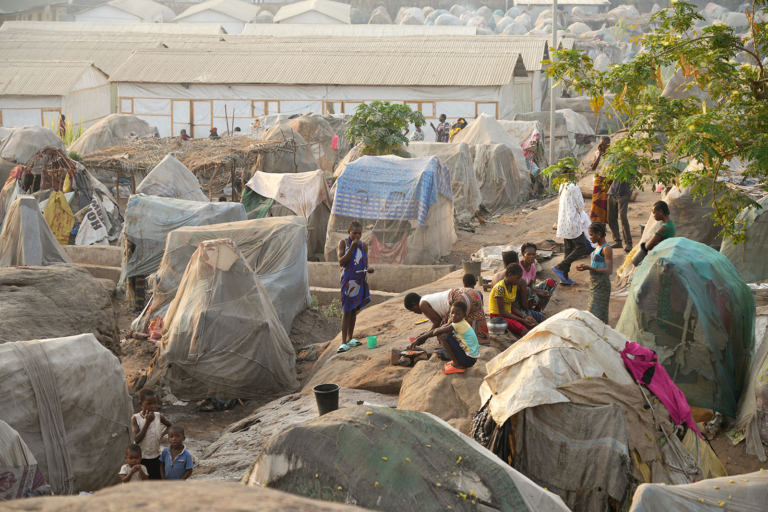
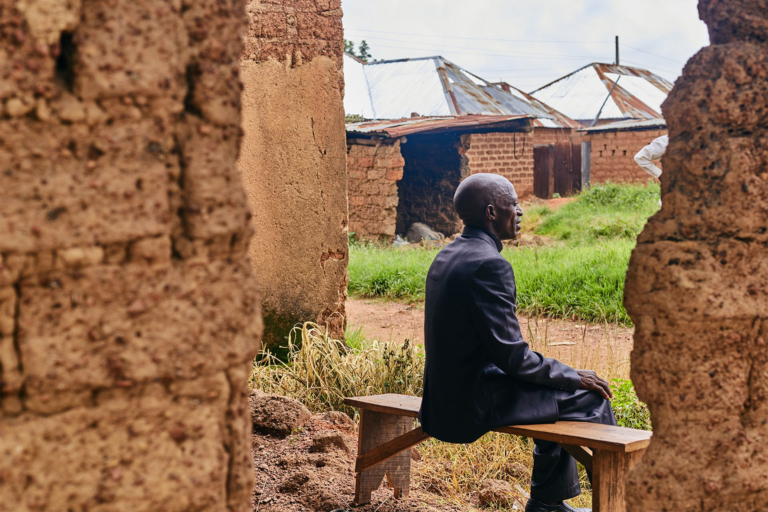
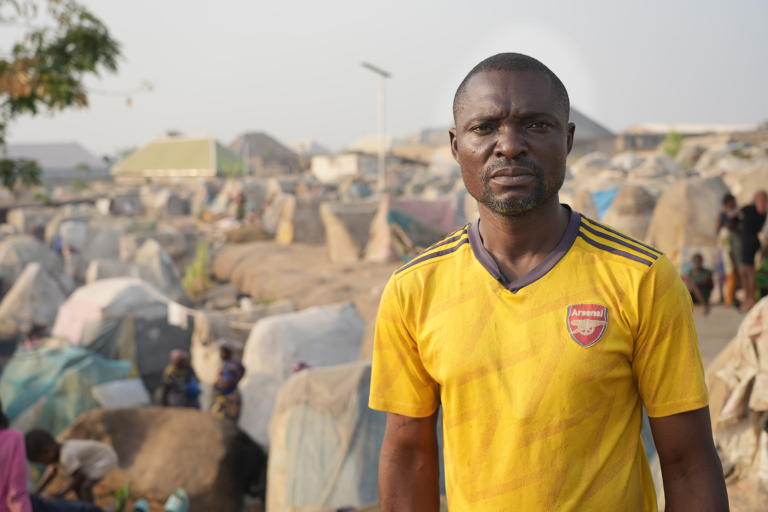
Most Christians who live in the Red Zone have found refuge in the mountains, others have been displaced. Pastor Moustafa Samuel* lives in this region. Recently, he was forced to move to a camp for Internally Displaced People. He shares the heartbreaking situation faced by believers who look to the mountains for hope and shelter.
DANGER HAS COME NEARER AND NEARER
“We live very close to the Nigerian border. Boko Haram stays in the mountains in Nigeria, but they are only a few kilometers away from our towns and villages. About ten years ago, many Nigerians crossed the border to flee the violence. We never thought the violence would come to us. But it did. Up till now, Boko Haram has destroyed 13 villages, and 22 churches. Everything was destroyed, until there was nothing left. 15 public schools and five parent-led schools were demolished.”
COMMUNITIES AND FAMILIES ARE BREAKING DOWN
“Boko Haram targets every family. It’s very difficult. They have killed husbands, wives and children. There are many widows and many orphans. Truly, we are in panic. And people don’t really help us. Sometimes we arrive in one village, and the locals are upset. They even call us Boko Haram. They want to fetch water from the well, before we can fetch water.”
FACE TO FACE WITH BOKO HARAM
“Sometimes, when they have chased away all the villagers, they settle in their village. Until the army comes and chases them away. But they don’t always go back to Nigeria. Many settle on this side of the border too. I have seen them being arrested sometimes. I have also been asked to translate for them during interrogations. Many look like mad men. Their hair is bewildered, they have not washed in months, their clothes are filthy, and their nails are very long. They are people who have lost their senses.”
“The people will never leave the lands of their ancestors. They have little money, so re-settling is hard anyway. I know people who were forced to leave their village, but they came back after two months, saying it was better to be killed by Boko Haram than live elsewhere.”

HARDSHIP DURING THE DAY AND NIGHT
“In our area, it’s not like the Boko Haram fighters come one night, and then stay away a week or a month. Whenever they enter the village, they take people’s lives. Especially Christians. They kill them and burn their houses. Every night we take our belongings and trek to the mountains. We stay there the whole night, and return the following morning. During the day, you feel a little at ease. Until it’s about 3 pm. Then you get anxious. Everyone thinks: ‘What will happen tonight? Maybe it’s my turn [to die]?’ You know, many die in the mountains. Their blood pressure is already very high, and they don’t have much to eat. My guess is that eighty percent of the people have lost it. They can’t think straight anymore.”
THE IMPACTFUL SUPPORT OF LOCAL PARTNERS
“You come to us, the IDPs. You sit on the mat or even on the ground with the refugee. You cry with the orphans. You listen to the widows and cry with them. You go to the hospital and visit the wounded. You pray with us and you pray for us. Then, after you’ve discussed it with God, you bring your help. What you are doing is a blessing of the Lord for us. You have shared in our sufferings. Our people know that outsiders care for them. We are no longer alone in this suffering.”
Have you joined the challenge to raise 1 million prayers and petitions for displaced Christians in Sub-Saharan Africa? Add your voice by signing here: PETITION
PRAYER POINTS
Pray for faith that the faith of the persecuted would not be weakened. Pray that they will persevere and that we will have the strength to bear the suffering. Also pray for protection and the amount of suffering will decrease. Pray that these believers people can find food to eat and continued spiritual nourishment.”